
Blog
Blog Posts from our licensed mental health therapists - free mental health and therapy thoughts.

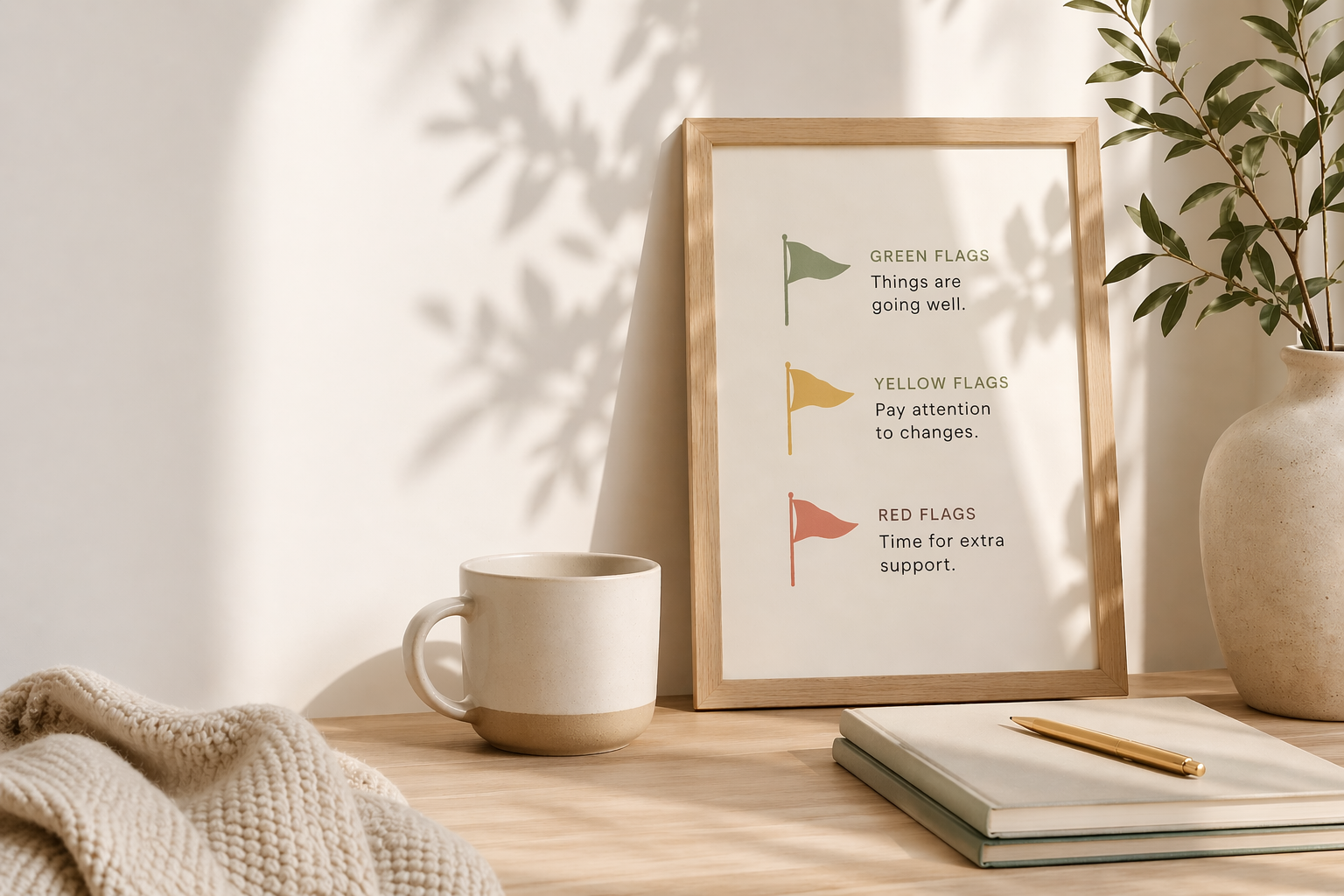
How to Tell If You’re Doing Okay Mentally (Even If Life Looks Fine on the Outside)
Not sure if you’re doing okay mentally or if it’s time for extra support? Learn the green, yellow, and red flags of mental health and how to recognize when therapy might help.
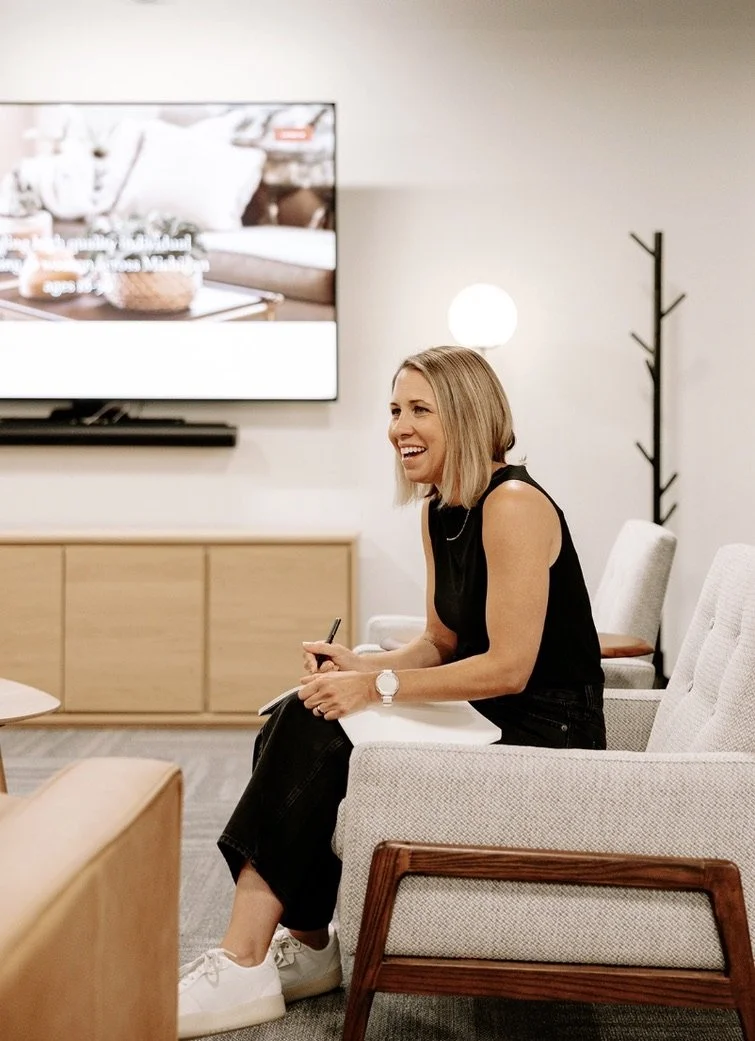
A Question From a Therapist I Can’t Stop Thinking About
Feeling stuck or unsure what to do next? A therapist at Clark Counseling shares a simple question that can help you see your situation more clearly: If your life were a movie, what would the audience be yelling at you to do next? This reflection can help young adult women set boundaries, ask for support, and take the next right step forward.

Why Healthy Love Feels “Boring” (And Why That’s Actually a Good Thing)
Healthy love doesn’t always feel intense. In this post, we explore why calm, consistent relationships can feel “boring” at first (especially if you’re used to chaos or anxious attachment). Learn the difference between intensity and intimacy, how your nervous system shapes attraction, and why emotional safety is the foundation of lasting love.
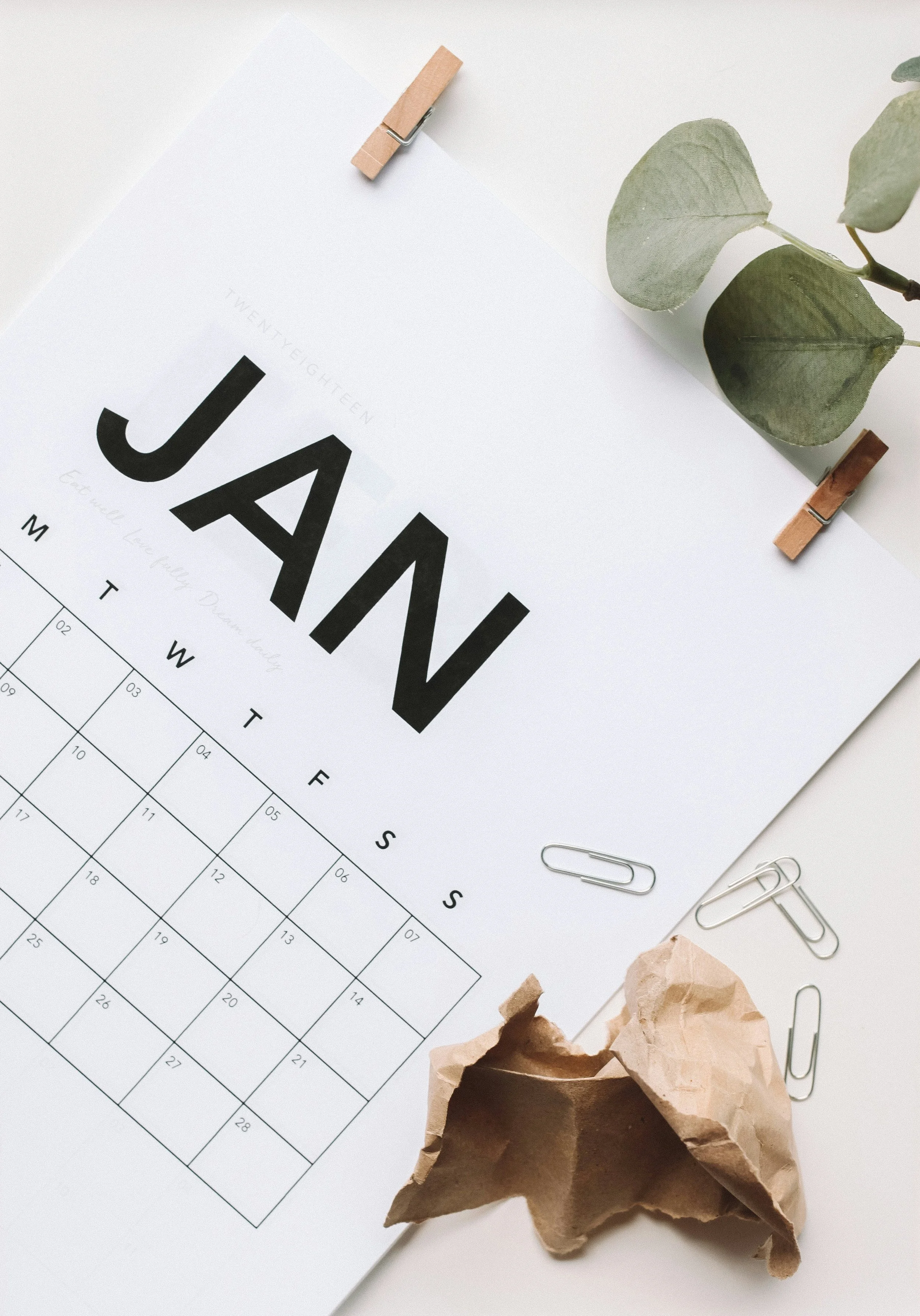
Why January Feels Harder Than We Expect
Why January feels harder than expected: explore the post-holiday emotional crash, winter fatigue, pressure to “reset,” and the impact of social media comparison. Learn why you’re not failing and how to support your mental health with gentle, realistic care this season.
A Therapist’s Take on End-of-Year Reflection
A therapist’s take on end-of-year reflection and why slowing down matters for mental health. Explore gentle journaling prompts to help you process the past year, recognize growth, and move into the new year with clarity, compassion, and intention. A supportive guide for reflection, healing, and emotional well-being.

When Pregnancy Doesn’t Feel Like You Thought It Would
Learn the difference between typical pregnancy symptoms and PMAD signs. Understand anxiety or depression during pregnancy and when to seek perinatal mental health support.
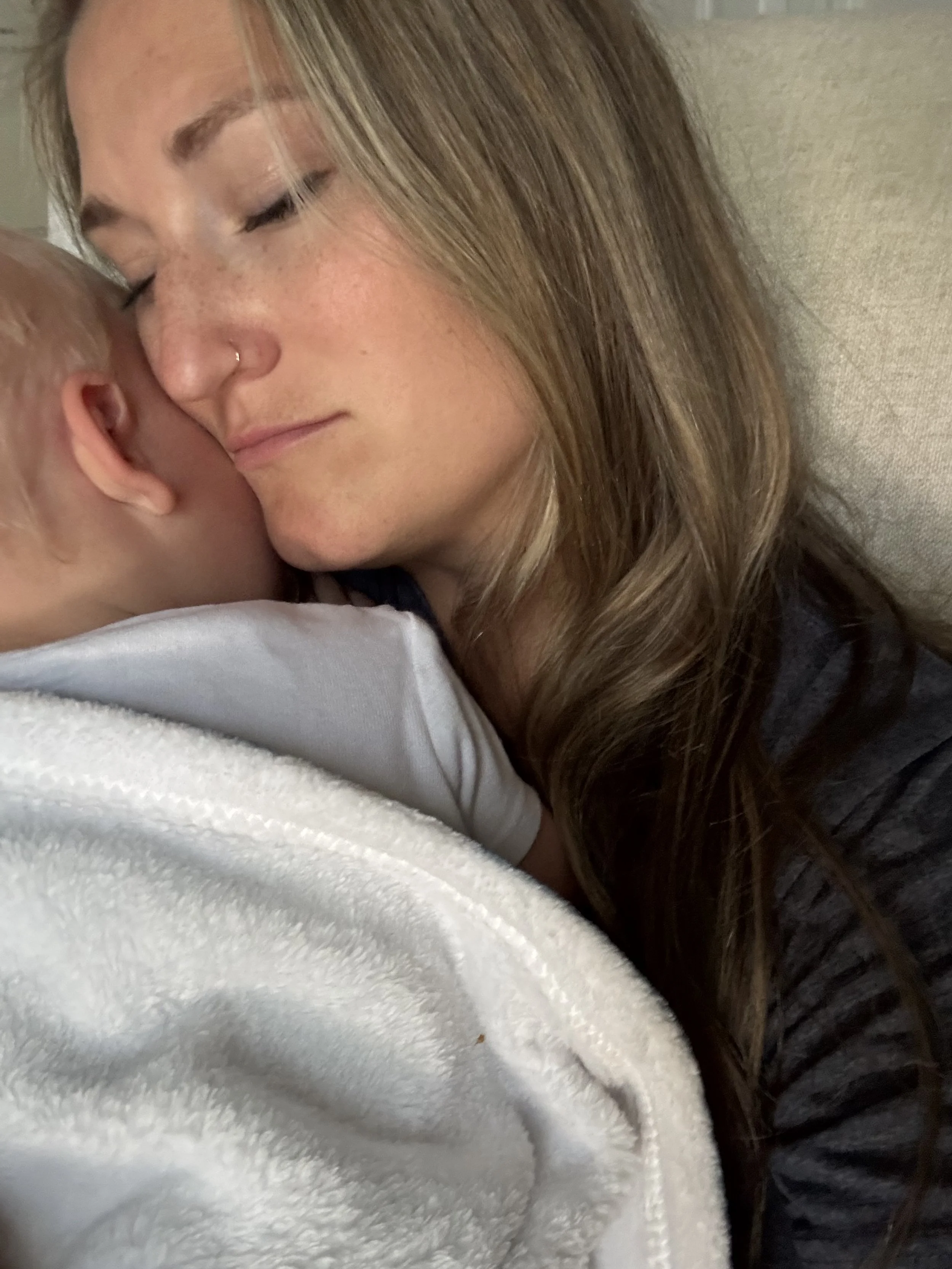
When You’re Afraid of Being a Burden
As a therapist, I often hear women say, “I don’t want to be a burden.” But when my son was sick and needed me constantly, I learned something powerful about what it means to be cared for — and why letting others in might be one of the kindest things we can do.
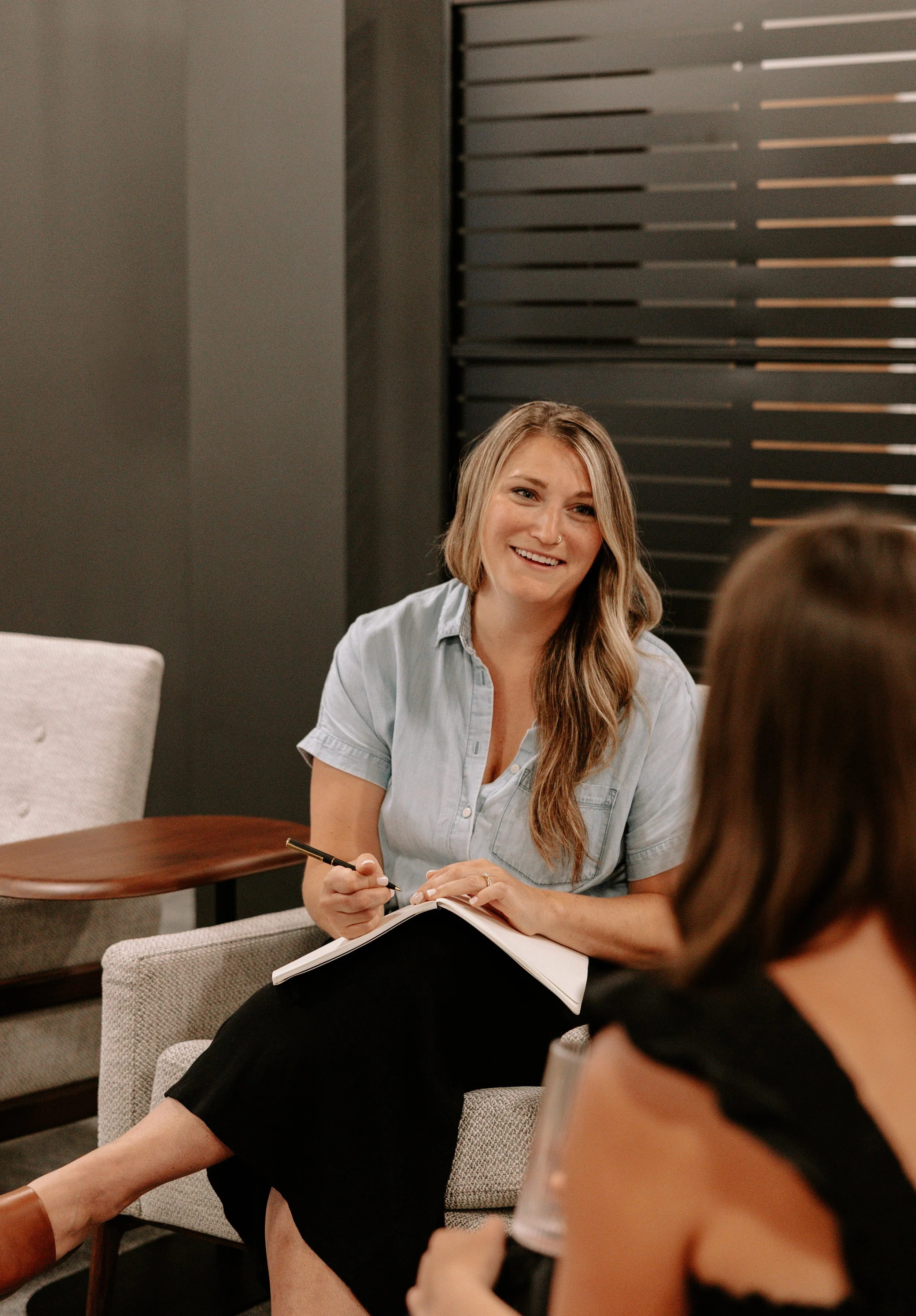
People-Pleasing vs. Kindness: How to Tell the Difference
Kindness feels energizing. People-pleasing feels draining. If you walk away feeling connected and at peace, it’s kindness. If you walk away feeling depleted, resentful, or anxious, it’s likely people-pleasing. People-pleasing may feel “safe” in the moment, but over time it erodes your confidence and can lead to anxiety, depression, and burnout.

Dear Teacher, You Don’t Have to Be Everything to Everyone This Year
Teachers often feel pressure to be everything to everyone during the school year leading to stress, burnout, and compassion fatigue. This letter offers encouragement, practical mental health tips, and gentle reminders that your worth isn’t tied to perfection. Learn how to set boundaries and protect your energy.

Why Is Vulnerability So Hard?
Vulnerability is hard because it asks us to be seen without guarantees. Many of us fear rejection, judgment, or being perceived as “too much.” Perfectionism and past wounds tell us it's safer to stay guarded. But when we avoid opening up, we miss out on the connection and support we deeply need. Vulnerability is risky—but it’s also where healing and belonging begin.

Understanding Your Nervous System
Understanding your nervous system is key to managing stress and improving mental health. Learn the difference between the sympathetic (fight or flight) and parasympathetic (rest and digest) systems, how each one affects your body and mood, and simple strategies to help you return to a state of calm and regulation.


Healing Your Relationship with Food
Intuitive Eating is a powerful tool in mental health counseling for women struggling with overeating, binge eating, low self-esteem, and guilt around food. Many of these challenges stem from diet culture, emotional distress, and a history of restrictive eating patterns.
By focusing on body awareness, self-compassion, and rejecting food guilt, Intuitive Eating helps women rebuild trust in their hunger and fullness cues. In therapy, this approach supports emotional healing by addressing the underlying feelings that drive disordered eating patterns. It also empowers women to separate self-worth from body size and embrace a more balanced, nourishing relationship with food.
Through counseling, women can unlearn harmful food rules, break free from the binge-restrict cycle, and cultivate lasting mental and emotional well-being.

The Smallest Habit That Can Strengthen Your Relationship
The Gottmans call this concept “turning toward” your partner, and it’s one of the most powerful ways to strengthen your relationship. It means making small, everyday choices to engage with your partner instead of ignoring or dismissing them.
And the best part? It doesn’t require grand gestures or hours of deep conversation. It’s the little moments—the quick good morning hug, the “How was your day?” text, the way you put your phone down when they start talking. These small choices add up over time and create a relationship built on connection and trust.

How to Know if a Clark Counseling Therapist is the Right Fit for You
Struggling with anxiety, disconnection, or feeling misunderstood? At Clark Counseling, we specialize in supporting women through compassionate, tailored online therapy. Discover if one of our therapists is the right fit to help you find clarity, confidence, and connection again. Your journey toward healing starts here.

Escape the Digital Noise : Discover the Peace of a Tech-Free Break
Using technology to escape or avoid a negative feeling can provide short-term relief, but does not lead to long-term healing or positive coping. Alternatively, there are many easy and creative ways to take a break and find peace.

Managing Election Stress: A Mental Health Guide
While elections are important, maintaining your mental health is just as crucial. By approaching political discussions with empathy, being mindful of your emotional responses, and reducing your exposure to online noise, you can navigate this season with more peace and balance.

Have You Heard Of “Glimmers”?
“Glimmers” are the opposite of “triggers”. Where triggers cause us to feel unsafe or relive past traumas, “glimmers” cause us to feel a sense of safety, calm, connection, and peace. Furthermore, looking for “glimmers” promotes healing, resilience, and a positive mindset. When one asks you “what are your triggers?”, most likely the response comes quickly. “Glimmers” on the other hand, might be harder to access. As you practice searching for “glimmers,” you will be able to access these small moments more often, leading to feeling more calm and peace in your nervous system.